
.svg)
.jpg)
GLP-1 Medications and Sleep: What's the Connection?
Research continues to uncover new ways that GLP-1 medications like semaglutide and tirzepatide support overall health — and sleep quality is emerging as one of the more interesting areas

GLP-1 treatment isn’t meant to replace healthy habits — it’s designed to support them. When used appropriately and with medical guidance, GLP-1 care can work alongside movement, exercise, and everyday activity to create a more sustainable approach to weight management and overall health.

Life doesn’t pause for weight loss — and it shouldn’t have to. Spring and early summer often bring travel, schedule changes, social gatherings, and unexpected disruptions to routine. For many people, these shifts can make consistency feel challenging or even impossible.

Long-term success with weight management depends on more than just the treatment itself. It also depends on choosing a plan that fits your life, your goals, and your comfort level. When care feels manageable and aligned with your circumstances, it becomes much easier to stay consistent over time.
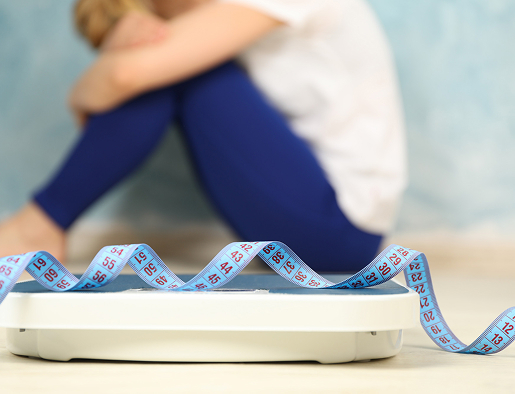
Weight loss is rarely a straight line. Even with consistent GLP-1 treatment, it’s completely normal for progress to slow, stall, or pause at certain points along the way. Plateaus can feel discouraging, especially when you’ve been doing everything “right,” but they are a common and expected part of long-term weight management.

For decades, weight loss has been framed as a matter of discipline: eat less, move more, and follow stricter rules. Traditional diets often focus on cutting calories, eliminating entire food groups, or adhering to rigid plans that leave little room for flexibility.

Motivation is powerful — but it’s also temporary. Almost everyone starts a health journey feeling energized and optimistic, especially at the beginning of the year. Over time, however, life settles back in. Routines change, stress increases, and the initial excitement naturally fades.

GLP-1 medications are powerful, clinically supported tools for weight management — but like any medical treatment, they work best when used under proper medical supervision. While the medication itself plays an important role, how it’s prescribed, monitored, and adjusted over time matters just as much.

Starting a new treatment can feel overwhelming, especially when you’re unsure what the process will actually look like day to day. Many people begin GLP-1 care feeling hopeful, curious, and sometimes a little nervous — and that’s completely normal.

One of the most common frustrations in weight loss care isn’t the treatment itself — it’s the pricing. Many people enter programs expecting one cost, only to discover additional fees, mandatory memberships, auto-renewals, or surprise charges later on.

Choosing a weight loss plan shouldn’t feel confusing, risky, or overwhelming. Yet many people hesitate to start care because they’re unsure which option makes the most sense — or they worry about committing to something that doesn’t fit their life.

If you’ve ever compared your progress to someone else’s and wondered why your results look different—don’t worry, that’s completely normal. Weight loss on GLP-1s, with medications like Semaglutide or Tirzepatide, is a deeply personal experience, shaped by everything from your genetics and hormones to your sleep, stress, and nutrition habits.

Intro: GLP-1 medications like Semaglutide and Tirzepatide have become game-changers in modern healthcare—but how do they really work? The answer lies in your body’s natural biology. GLP-1 stands for glucagon-like peptide-1, a hormone your gut releases after eating that tells your brain, “I’m full.” It also helps regulate blood sugar and digestion.

Intro: Starting GLP-1 medications like Semaglutide or Tirzepatide is an exciting step toward better health—but it can also come with a few unknowns. During the first month, your body is adjusting to a new rhythm: your appetite changes, your digestion slows, and your energy may fluctuate as your system learns to balance blood sugar and hunger cues.

Intro: If you’ve ever wondered what a week of eating looks like on GLP-1 medication, like Semaglutide or Tirzepatide, you’re not alone. Many patients find themselves asking: How much should I eat? What if I’m not hungry? What meals are easy on digestion but still filling? A simple, structured meal plan can take the guesswork out of your day and help you stay consistent while your appetite changes.

When your appetite decreases on GLP-1s, likeSemaglutide or Tirzepatide, it’s easy to focus on eating less—but what really matters is what you’re eating. Protein is one of the most important nutrients to prioritize during treatment because it protects your muscle mass, boosts metabolism, and helps you feel full longer.

Intro: It might sound simple, but hydration is one of the most overlooked parts of a successful GLP-1’s journey. Because medications like Semaglutide and Tirzepatide slow digestion and sometimes blunt thirst cues, many people accidentally end up drinking less water than their body needs—leading to constipation, fatigue, and headaches.

When you first begin GLP-1s treatment, with medications like Semaglutide or Tirzepatide, it’s normal to experience a few digestive changes—after all, these medications work by slowing how quickly your stomach empties. But certain foods can make those effects feel much stronger, leading to nausea, bloating, or discomfort.

One of the biggest surprises for many people starting GLP-1s medications like Semaglutide or Tirzepatide is how different eating feels. Suddenly, your appetite is smaller, your meals are lighter, and you might even forget to eat at times. While that can sound like a win, it also means your body may not always get the nutrition or steady energy it needs throughout the day. That’s where smart snacking comes in.

Starting a GLP-1 medication like Semaglutide or Tirzepatide is a powerful step toward improving your health and reaching your weight-loss goals. These treatments work by mimicking a natural hormone that helps control blood sugar, reduces appetite, and slows digestion. That means you’ll likely feel full faster, stay satisfied longer, and eat less overall.

At HolaVida, we believe your health journey should be simple, predictable, and affordable — without confusing fees or hidden costs. Whether you choose a month-to-month plan or our quarterly option, both give you access to the same world-class medical team and personalized care.

If you’re considering tirzepatide (a GLP-1 + GIP medication) to support your weight-loss goals, you’re probably wondering what kind of results to expect — and how soon you’ll see them. The good news: tirzepatide has shown some of the most impressive results ever recorded for a prescription weight-loss treatment, helping people lose up to 20% of their body weight when combined with healthy habits and clinical guidance.

If you’ve been hearing about GLP-1 medications like semaglutide or tirzepatide for weight loss, you’re not alone — these treatments have helped millions of people reach healthier weights, improve energy levels, and reduce long-term health risks. But one of the most common questions we hear is: “Are GLP-1s safe?” Let’s break it down.

If you live in Illinois and are considering semaglutide, tirzepatide, or other GLP-1 medications to support your weight-loss journey, this guide explains everything you need to know — from Illinois telehealth laws to pricing, eligibility, and what to expect step-by-step.

If you’re starting a GLP-1 + GIP weight-loss program with tirzepatide, you’re taking one of the most advanced options available for long-term results. Here’s a clear overview of how your dosing schedule works — and what you can expect as your treatment progresses.

Tirzepatide is one of the newest and most effective GLP-1/GIP receptor agonists approved by the FDA for weight management. Unlike earlier GLP-1 medications, tirzepatide is unique because it works on two natural hormones—GLP-1 and GIP—that play key roles in appetite regulation and metabolism.

Semaglutide is an FDA-approved medication originally developed for type 2 diabetes that has quickly become one of the most effective tools for weight management. It belongs to a class of drugs called GLP-1 receptor agonists, which mimic a natural hormone in the body that helps regulate appetite and blood sugar.
.png)
Tirzepatide is a once-weekly injectable medication that has quickly become one of the most promising treatments for obesity. Originally developed for type 2 diabetes, tirzepatide has shown unprecedented weight loss results in clinical trials—leading to its FDA approval under the brand name Zepbound for chronic weight management in 2023.
.png)
Weight loss is a complex challenge, and for many people, traditional strategies like dieting and exercise are not enough. In recent years, semaglutide has emerged as one of the most effective prescription tools available for individuals struggling with obesity or weight-related health conditions.
.png)
In recent years, weight loss injections have surged in popularity as highly effective tools for managing obesity and metabolic conditions. These medications go far beyond fad diets and over-the-counter supplements—they’re grounded in real science and backed by clinical trials.
.png)
In recent years, weight loss medications have become a central part of obesity treatment strategies. With rising rates of obesity-related conditions such as type 2 diabetes, cardiovascular disease, and fatty liver disease, the question is more relevant than ever: Do weight loss medications actually work — and are they worth it?
.png)
GLP-1 receptor agonists and dual agonists have transformed obesity and type 2 diabetes care. Among the most widely prescribed medications are semaglutide (sold as Ozempic and Wegovy) and tirzepatide (sold as Mounjaro and Zepbound). While these medications begin affecting metabolism shortly after the first dose, the timeline for weight loss results can vary based on dosage, individual response, and adherence.

.jpg)
.jpg)
.jpg)
.jpg)
.jpg)
.jpg)

















.png)

.png)














.png)

.webp)
.svg)


.avif)
.avif)
.avif)
.avif)
.avif)